Custom pelletising for industrial needs.
We help companies turn suitable raw materials and material blends into pellets. With flexible production and custom solutions, we can develop products based on your specific requirements.
What does pelletising mean?
Pelletising is a process in which a material is formed and pressed together into pellets – small, uniform units of a defined shape. For most customers it is not the pellet itself that matters, but what the form does with the material.
Depending on the material and its area of use, pelletising can simplify handling and dosing, provide a more manageable form for storage and transport, or create a more uniform input for further processing.
Which materials are suitable, and which properties can be achieved, is assessed individually for every inquiry.
Adapted to the customer’s product.
We do not simply pelletise a material – we work towards a product. Describe what it must do and how it will be handled, and that is our starting point.
All requests must go through a technical assessment. Only after that review can we confirm which properties and tolerances are achievable.
Raw material or material blend
The material in question, the form in which it reaches us, and whether it is a single material or a blend.
Required pellet size and shape
Diameter and length, if you already have a specification to work from.
Required product properties
For example strength, density, or how the product should behave during handling and storage.
Intended use
What the pellets will be used for and in which environment they must perform.
Production volume
Estimated volume per occasion or over time, so we can assess capacity and planning.
Packaging requirements
How the product must be packed, labelled and received at your end.
Possible areas of use.
Pelletising can be relevant in several types of operation. Below are examples of possible customer segments – not a list of production currently running with us.
Industrial material processing
Operations handling large volumes of material that need a more manageable form for continued production.
Recycling and material upgrading
Residual fractions and secondary materials where pelletising can simplify storage, transport and dosing.
Agriculture and cultivation
Materials where a uniform pellet makes spreading and handling easier in cultivation.
Animal-based products and bedding
Products for stables, livestock and bedding, where form affects both handling and volume.
Purpose-developed industrial products
Product ideas that require their own composition and specification, developed in dialogue with us.
Unsure whether your material fits?
From idea to finished product.
Five steps, from the first description to a delivered product. Select a step to see what happens.
Step 01
Needs analysis
You describe the material, the intended product and what it will be used for.
Trial runs, recipe development and laboratory testing are offered only to the extent we confirm in each individual assignment.

Production in Röfors, dialogue throughout.
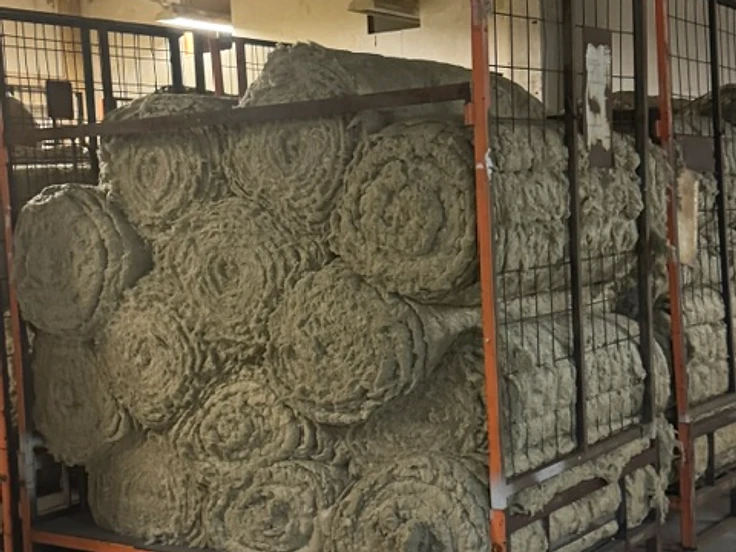
Pelletising takes place at our facility in Röfors, where we handle industrial materials in large volumes. You get a contact person who follows the inquiry from the first assessment to delivery.
Do you have a material that needs pelletising, or an idea for a new product? Together we examine the possibilities of creating the right product for your operation.
What do you want to pelletise?
Describe the material and the product you want to achieve. We will come back with questions and an assessment of the conditions.
- You receive a reference number as soon as the inquiry is sent.
- We assess the material and contact you if we need additional details.
- Feel free to attach images, drawings or material descriptions.

